Back

OBJECTIVE

honey

To enhance the confidence level among the honey consumer due to the emergence of adulterated honey in the market.
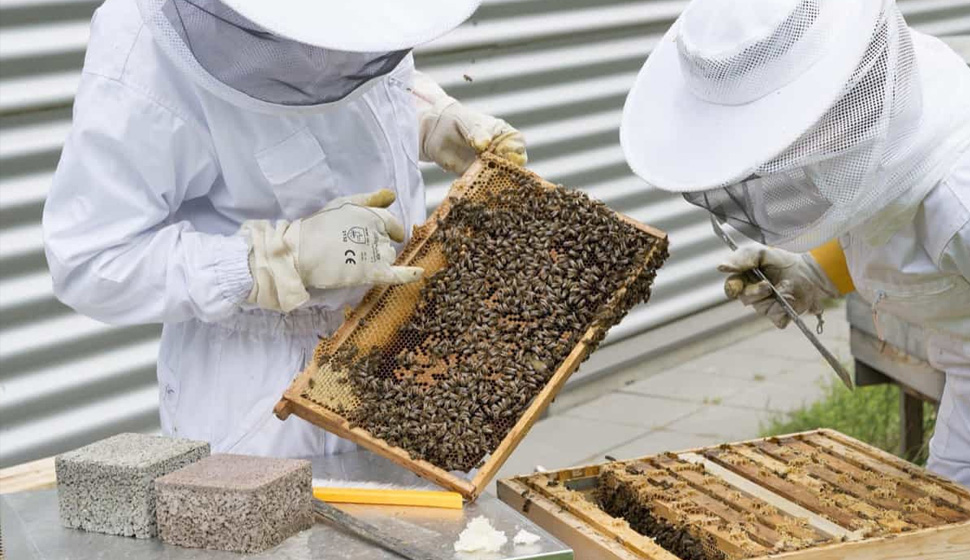
Analysis-2

To ensure the quality of honey production among local honey farming
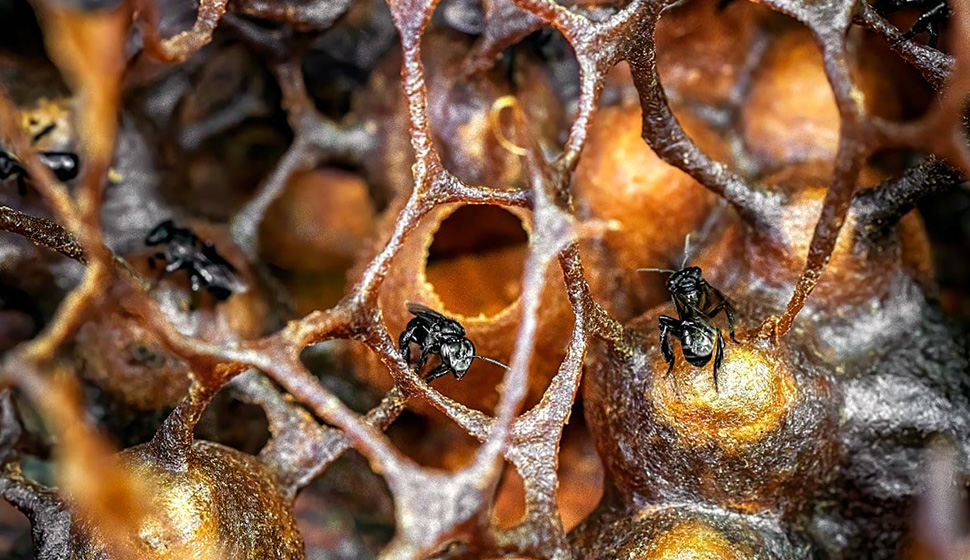
Analysis-3-1 2

To ensure local honey-based product is able to penetrate and compete at the international level (as it is tested by an accredited laboratory).
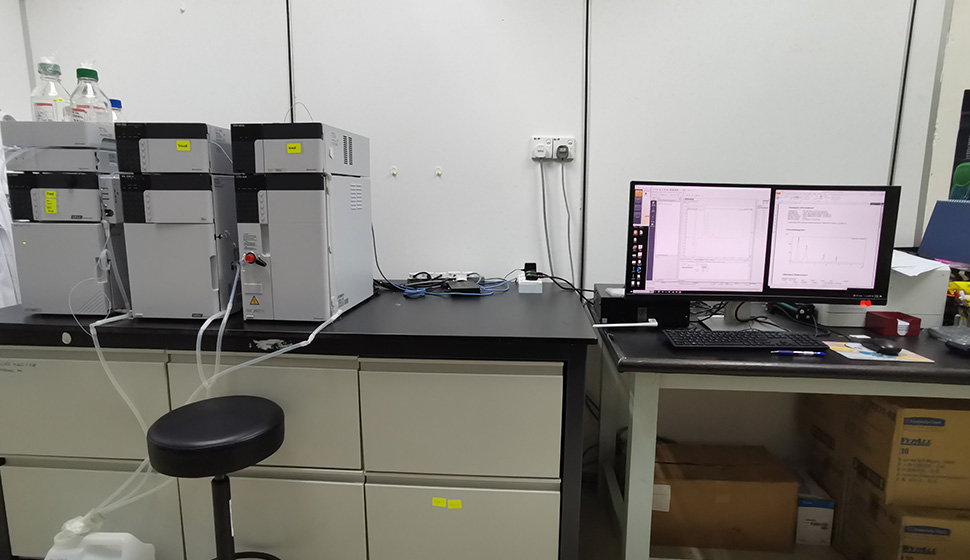
Honey Testing

Honey is a sweet, viscous, golden coloured natural product that is “manufactured” by different species of honeybees, stingless bee and adheres to strict food regulations to ensure its safety and authenticity. With people's awareness of the health care function of honey, people's demand for honey is also growing. But in the case of imperfect regulatory mechanisms, adulterated and fake honey are flooding the consumer market.

Some sugars in honey are natural in origin while others are artificially added and decrease product quality. Honey analysis also provides information on possible product degradation due to storage conditions (HMF). Honey testing verifies honey authenticity and evaluates quality characteristics.

Makmal Analisis PPPL UMT provides services of honey quality as a solutions for beekeepers, honey product manufacturers and marketers. Our laboratory has laboratory infrastructure, experienced staff and modern high-end equipment to confirm the quality of honey. We offer the basic honey analysis package in order to detect the basic quality characteristics of the product.

About-2

HPLC

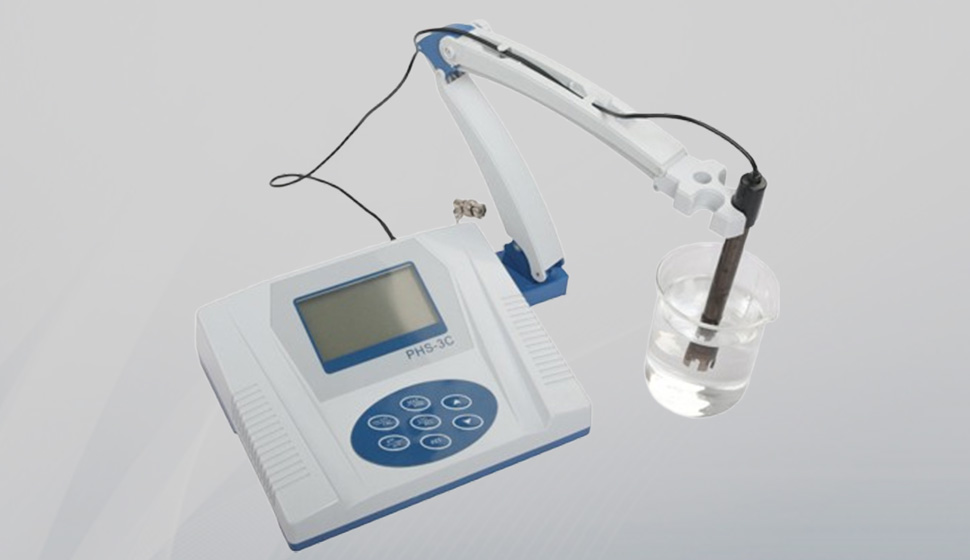
ph meter

pH Meter

Analysis-c

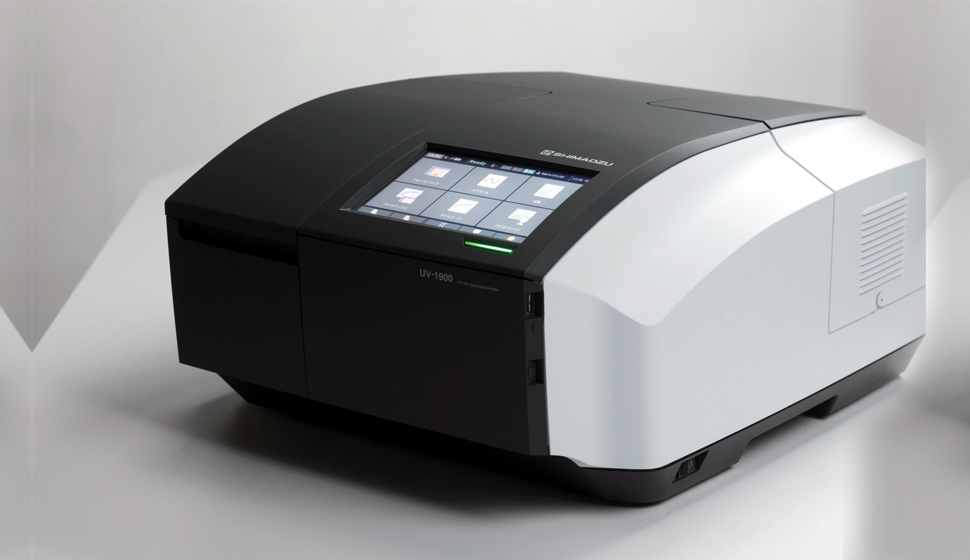
UV-VIS Spectrophotometer

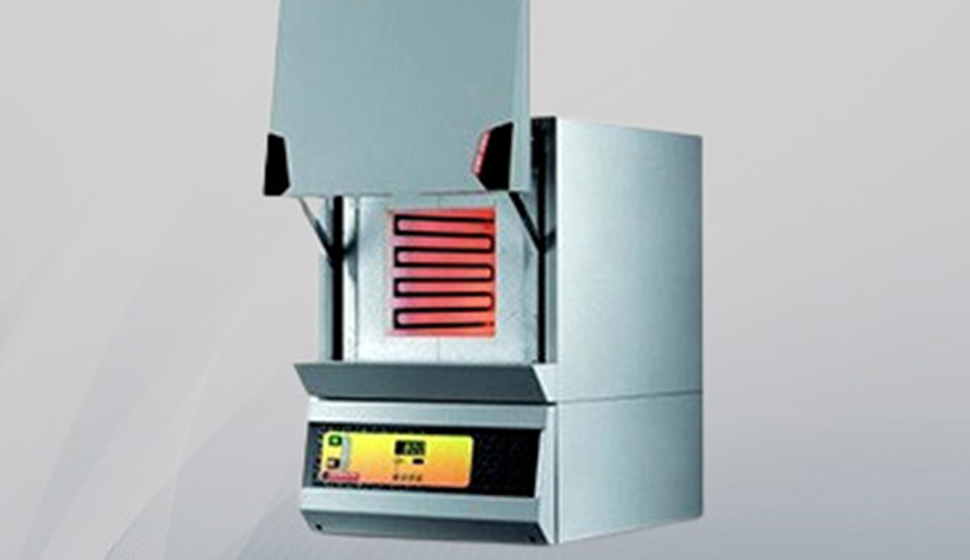
furnace 2

UV-VIS Spectrophotometer

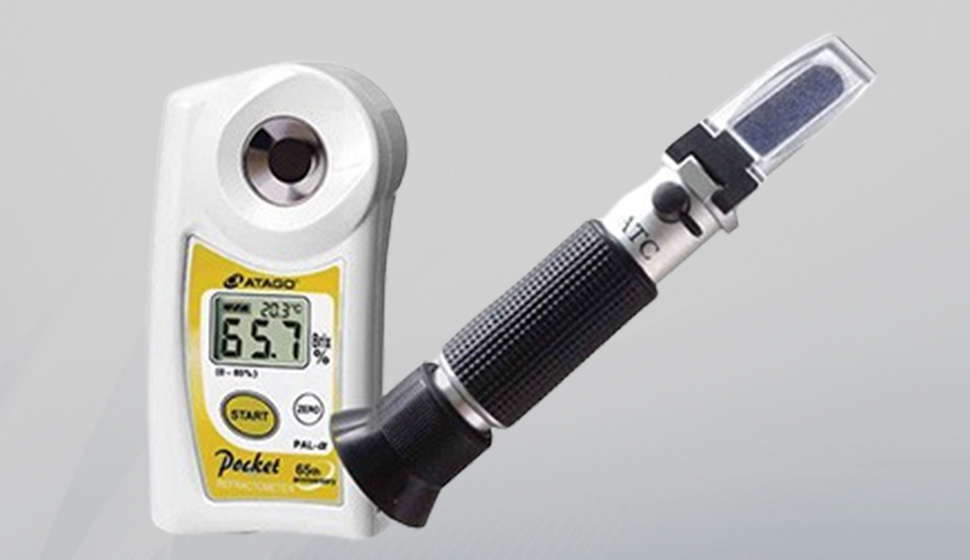
refrac

Digital/Manual Refractometer

Chemical composition
(Based on Journal of Food Science and Nutrition Research Vol. 4 No. 3 - September 2021. [ISSN 2642-1100])

AUTHENTIC or FAKE?

The composition of honey basically varies to the floral source, but seasonal, environmental factors and processing conditions are also important.

01

Carbohydrates

Sugar in honey is not a single species, but consists of three kinds of sugar. These are the fruit sugar (fructose) which has among the highest (41%), grape sugar (glucose), which has about 34% of ordinary sugar (sucrose) which is between 1 and 2%. The ratio of one type of sugar to other depends of the source, i.e., flower pasture, and to some extent on enzyme invertase, which breaks down regular sugar in grape and fruit. This enzyme is located in the flower from which the bees collect nectar, but it is also present in the bee’s body.

02

Amino acids and proteins

Proteins come in honey from nectar and pollen as a integral parts of plants. Proteins in honey may be in the form of a very complex structure or in the form of simple compounds, i.e., amino acids. The content of amino acids and proteins is relatively small, at the most 0.7%. Honey contains almost all physiologically important amino acids. The main amino acid is proline is a measure of honey ripeness. The proline content of normal honeys should be more than 200 mg/kg. Values below 180 mg/kg mean that the honey is probably adulterated by sugar addition.

03

Aroma compounds and phenolics

Honey volatiles are the substances responsible for the honey aroma. It was found that most volatile compounds originate probably from the plant, but some of them are added by bees. Phenolic acids and polyphenols are plant derived secondary metabolites. These compounds have been used as chemotaxonomic markers in plant systematics. They have been suggested as possible markers for the determination of botanical origin of honey. Dark colored honeys are reported to contain more phenolic acid derivatives but less flavonoids than light-colored ones.

04

HMF (HydroxyMethylFurfuraldehyde)

HMF is a breakdown product of fructose that is formed slowly and naturally during the storage of honey, and much more quickly when honey is heated. The amount of HMF present in honey is the reference used as a guide to the amount of heating that has taken place: the higher the HMF value, the lower the quality of the honey is considered to be. Some countries set an HMF limit for imported honey (sometimes 40 mg/kg) and honey with an HMF value higher than this limit will not be accepted. It is an indicator of honey freshness and overheating. In fresh honeys there is practically no hydroxymethylfurfural (HMF), but it increases upon storage, depending on the pH of honey and on the storage temperature. The proposal for a higher maximum value is based on the experience that HMF increases on honey storage in warm climate countries.

05

Minerals and trace elements

Honey contains varying amounts of mineral substances. The main element found in honey is potassium. Honey contains most of the minerals: potassium, chlorine, sulfur, calcium, sodium, phosphorus, magnesium, silicon, iron, manganese and copper. When the observed mean value, dark types of honey are richer in minerals than lighter.

06

Acidity and pH

Acids are also components of honey. Before it was believed that bees by stomach inserted bee venom into the cell honeycomb with honey and make it so conserved. Given that one of the main components of bee venom is formic acid, it was thought that the honey has formic acid. Honey is a buffer, that means that its pH does not change by the addition of small quantities of acids and bases. The buffer capacity is due to the content of phosphates, carbonates and other mineral salts.

07

Water

The water content of honey (water-in-honey) is the quality aspect that determines the ability of honey to remain fresh and to avoid spoilage by yeast fermentation. Good quality honey should be processed at less than 20% water content. Low water content is desirable because honey may begin to ferment and lose its fresh quality if the water-in-honey is greater than 20%. This moisture content also as a part of the Honey Standard has to be fulfilled in world honey trade. Honey having a high water content is more likely to ferment.